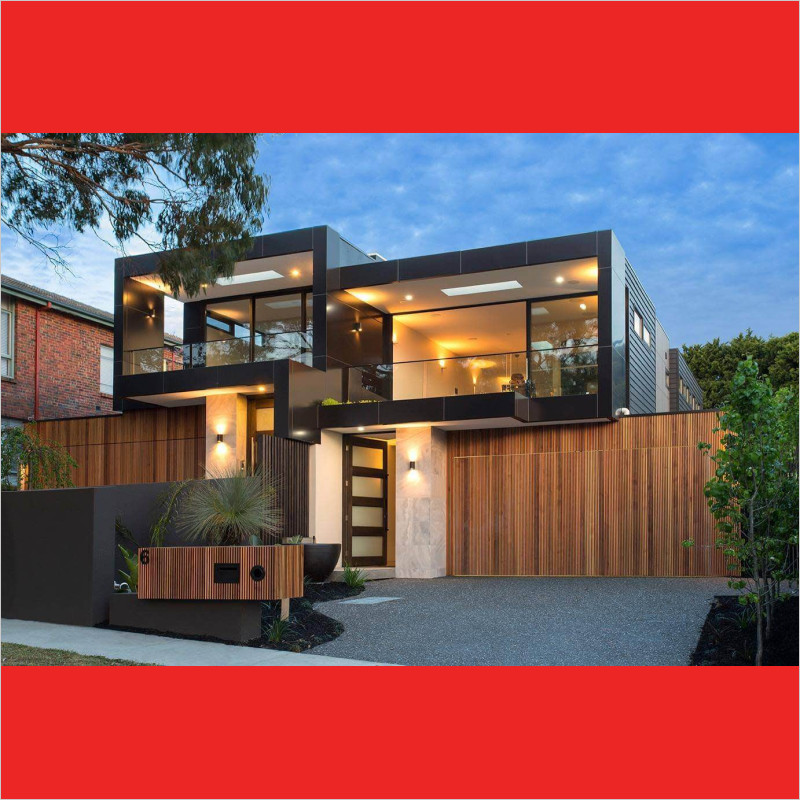
Looking for a faster, often more affordable route to homeownership in Ontario? Prefabricated Homes Ontario offer a way to slash construction time, control costs, and choose energy-efficient designs built to provincial codes, so you get a high-quality home without the usual site delays.
You can move from plan to occupancy faster and with fewer surprises than traditional builds, thanks to factory-controlled construction and streamlined permitting options across Ontario.
This post breaks down what prefab options exist in the province, what the buying and building process looks like, and how to evaluate manufacturers, floor plans, and costs so you can decide whether a modular, panelized, or manufactured home fits your needs.
Prefabricated Homes in Ontario Overview
You can choose from modular, panelized, or factory-built components that arrive ready to assemble. Costs, timelines, and permit requirements vary by type and by municipality, so plan site work, delivery logistics, and inspections early.
Types of Prefabricated Homes Available
Modular homes arrive as fully finished sections (modules) built to the Ontario Building Code and CSA standards; modules are craned onto foundations and require on-site sealing and utility hookups. Expect factory-controlled quality, faster weather-independent build times, and the need for transport permits for oversized loads.
Panelized systems ship wall, floor, and roof panels for on-site assembly. You control more customization and local trades complete insulation, cladding, and finishes. Panelized options can reduce framing time but still require careful coordination of trades and inspections.
Other options include SIPs (structural insulated panels) and kit homes. SIPs offer high energy performance and tight building envelopes, useful in cold Ontario climates. Kit homes provide affordable, owner-driven builds but demand more on-site labor and project management from you.
Local Ontario Building Codes
Ontario enforces the Ontario Building Code (OBC) and often requires modular units to meet CSA A277 or equivalent factory-built standards before delivery. Municipalities add zoning bylaws, lot coverage limits, and septic or well regulations depending on location.
You must secure a building permit from the local municipality; permit timelines and required documentation (foundation drawings, engineering, CSA certifications) vary. Conservation authorities may require additional approvals if your lot is near wetlands or floodplains.
Electrical, plumbing, and HVAC work must be inspected by licensed trades and the municipality. Confirm local requirements for energy performance (e.g., OBC Part 9/11 provisions) and any municipal design or heritage restrictions early to avoid rework.
Benefits for Ontario Homeowners
Prefab construction shortens on-site time, reducing weather delays common during Ontario winters and spring thaws. Factory production improves quality control and reduces material waste, which can lower lifecycle maintenance needs.
You gain more predictable schedules and clearer costing compared with traditional builds, particularly for modular and panelized options. Energy-efficient systems like SIPs or high-performance windows help lower heating costs in cold months and may earn rebates or incentives.
Prefab homes can also expand access to remote or rural lots where local crews are scarce. Transport logistics and foundation work remain critical, so savings depend on your site prep, access, and municipal requirements.
Buying and Building Prefabricated Homes in Ontario
You will weigh manufacturer reputation, realistic costs and financing, and the site work and installation steps required to move from purchase to a finished home. Expect distinct permit, delivery, and foundation tasks for modular or panelized builds in Ontario.
Finding Reputable Ontario Manufacturers
Look for manufacturers that build to the Ontario Building Code and offer engineering stamps for local permits. Confirm the company’s physical plant location, delivery area (e.g., Toronto, Hamilton, northern Ontario), and examples of completed projects you can visit or inspect.
Check warranties, third-party certifications (CSA or similar), and customer references. Ask for itemized quotes that show factory scope versus on-site work. Verify the builder’s experience with your chosen home type: complete turnkey modular units differ from panelized or kit homes in scope and responsibility.
Create a short checklist to evaluate each vendor:
- Company address and years in business
- Engineering and code compliance documents
- Warranty terms and scope of work
- Portfolio and local references
- Clear lead times and delivery logistics
Cost Factors and Financing Options
Your final budget includes factory unit price plus site work, permits, HVAC, and local hookups. Typical cost drivers: module size, finishes, transport distance, foundation type, and required upgrades for energy performance or custom features.
Financing options vary: conventional mortgages for on-site completion, construction-to-permanent loans, and some lenders that finance manufactured/modular homes. Prepare documentation: builder contracts, municipal permits, and a site-ready report to satisfy lenders. Ask lenders whether they treat the home as real property or chattel, as this affects terms.
Use this short table to compare cost categories:
- Factory price: fixed by manufacturer
- Transport & craning: distance and complexity
- Foundation & site work: soil, grading, servicing
- Permits & inspections: municipal fees and timelines
- Upgrades & finishes: buyer selections and allowances
Site Preparation and Installation Process
Before delivery, secure municipal permits and a foundation engineered for your module weight and local frost depth. Complete utility hookups (water, sewer/ septic, electrical, gas) and clear access for large trucks and cranes.
Coordinate timing tightly: crane booking, module arrival window, and on-site crew availability. Expect on-site assembly to take days for craning and weeks for finishing trades (insulation seals, mechanical tie-ins, finishes). Plan for inspections at foundation, framing/assembly, and final occupancy stages.
Keep a simple timeline checklist:
- Obtain permits and engineering (2–8 weeks)
- Prepare foundation and utilities (1–4 weeks)
- Schedule delivery and crane (narrow window)
- On-site assembly and trades finishing (2–8 weeks)
- Final inspections and occupancy permit