Skin color is one of the first things we notice about the human body. From very light complexions to the deepest dark tones, skin reveals the history of people, the places they come from, the conditions they have lived in, and the diversity that exists across the world. Because of this diversity, the question often arises: Who is the blackest person in the world?
In this article, we will explore this common question by looking at the science of very dark skin, as well as the cultural meanings attached to it. Also, we will see how such curiosity connects to the way societies view beauty, identity, and heritage.
Who is the Blackest Person in the World?
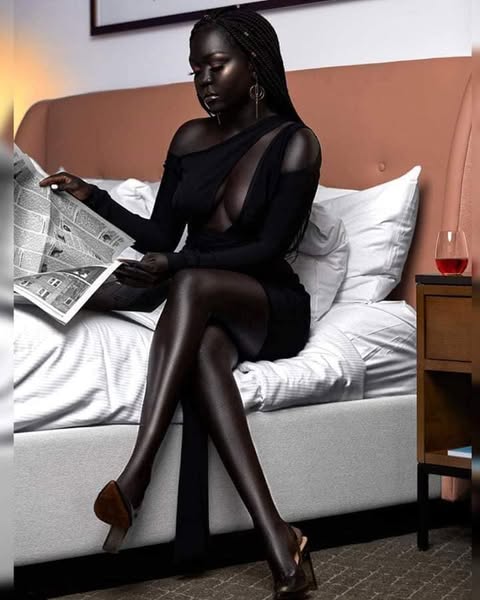
While there is no official world record about the most blackest person in the world, one name that is often said worldwide is “Nyakim Gatwech.” She is a South Sudanese-American model, sometimes called the “Queen of Dark.” Her skin is admired for its extraordinary depth and glow.
Story of Nyakim Gatwech
In this topic, Nyakim Gatwech deserves special mention. The model inherited black skin from her South Sudanese parents, who later moved to the United States after the war. At first, when she stepped into public life, people made hurtful remarks about her dark skin.
Nyakim, instead of changing her skin color, embraced her black beauty proudly. She overcame every challenge and struggled to become successful while shining with her dark skin. Today, she calls herself the “Queen of Dark.”
Her journey shows that black skin is not a weakness; it is simply a symbol of bravery, courage, and self-respect. By embracing her appearance, one of the blackest person in the world shows that every skin color is special and worth celebrating.
Why Is Dark Skin Special?
Deep skin tone is special and beautiful in many ways.
- First, it is a gift from nature because of the high level of melanin production; dark skin protects against sun damage, such as sunburn.
- Secondly, dark skin has many beautiful shades, ranging from deep brown to rich ebony. Each shade is special and tells a story of family and history.
- Thirdly, even though society once praised lighter skin, times are changing. More people now celebrate dark skin in fashion, movies, and daily life. It shows that beauty has no single color.
- Also, dark skin is a sign of pride and confidence. When people love their natural color, they inspire others to do the same.
- Last but not least, dark skin is not only beautiful on the outside but also carries power within. It holds strength, history, and elegance together.
Science Behind Skin Diversity
There are mainly two factors that are responsible for changes in skin color:
- The region where someone’s ancestors lived
- The amount of melanin their body produces
Over thousands of years, these two elements have worked together to create the variety of skin tones we see today.
Region and Environment Influencing Skin Color
Scientists say that people living in very sunny areas have darker skin, which protects them from strong sunlight. The powerful sun near the equator requires more natural defense. On the other hand, people in colder regions with less sunlight develop lighter skin tones so they can absorb more vitamin D.
South Sudan: The Land of Deep Skin Tones
If we talk about regions, South Sudan is often highlighted for having the darkest-skinned people on earth. The Dinka, Nuer, and other Nilotic groups are admired not only for their height and physical features but also for their exceptionally deep skin tone. Because they live in a very sunny environment, their skin contains extremely high levels of melanin, making it appear almost blue-black in the sunlight.
For this reason, the blackest person in the world is most likely to come from these communities. Many models and artists from South Sudan have achieved international fame, proudly carrying their natural tone in industries that previously celebrated light skin.
The Role of Melanin
Melanin is a natural pigment found in every human body. It plays a key role in determining how we look and how our skin responds to the environment.
Coloring the Skin
Primarily, melanin’s function is to impart color to the skin, hair, and eyes. The pigment is one of the primary factors that directly affects skin color. People whose bodies produce more melanin usually have darker skin tones, while those who have less melanin production have lighter skin.
Protecting from the Sun
Besides imparting color, melanin works as a natural skin protector. It shields the skin from harmful ultraviolet rays from the sun. People living near the equator, like in South Sudan, have more melanin as a protective shield.
Supporting Skin Health
Thirdly, melanin also significantly lowers the risk of certain skin diseases. So, the blackest person in the world is not unique in appearance but also naturally more protected against the harmful effects of the Sun.
How Media Shapes Beauty Standards?
The media plays a big role in how people see beauty. For many years, movies, ads, and magazines often showed lighter skin as more beautiful. It made many people with dark skin feel left out.
But now, things are changing. Fashion industries are giving equal importance and chances to more dark-skinned influencers, actors, and models. Because of this step, young people with dark skin can see someone who looks like them and feel proud.
When the media shows all skin colors as beautiful, it helps break stereotypes and teaches society to respect each other equally. Moreover, by celebrating diversity, the media also allows the world to see the blackest person in the world as a symbol of beauty rather than a difference.
Conclusion
The world is full of colors, and skin tone is one of the most significant. Whether it’s light, dark, or any shade in between, every complexion is special. Skin color reflects nature, history, and identity. The blackest person in the world may not be officially recorded, but stories from South Sudan and models like Nyakim Gatwech show that dark skin is unique, powerful, and inspiring.
Melanin gives dark skin its rich tones, protects it from the sun, and supports healthy skin. At the same time, culture and media are beginning to celebrate dark skin more openly, proving that beauty exists in every shade. In the end, the blackest person in the world represents courage, confidence, and pride in a heritage that continues to shine brightly. We wish the trend to accept and admire “Black Beauty” continues.