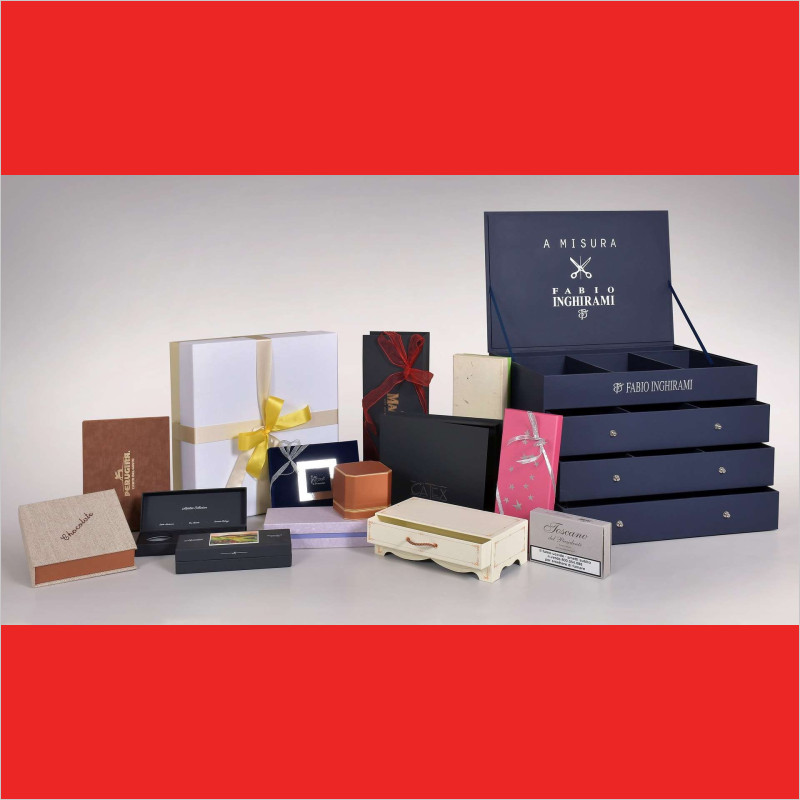
One of the most famous high-quality packaging products is Custom Rigid Boxes; however, they have their pricing models, upon which one has to base their cost-wise decisions. As stiff boxes are linked to luxury goods, an organization may have a notion that these need to be excessively costly. However, prices are different in accordance with the style, materials, printing, and customization options.
Learning the pricing frames enables brands to increase value whilst maintaining costs within their budget constraints. The primary aspects of pricing are described in this article, and it can assist a business in smart cost allocation that will bring packaging to a new level without sacrificing its economic input. Two: We may start with a breakdown of the key components.
Identify Box Styles
There is a direct correlation between the style of a rigid box packaging and pricing. Two-piece setup box, book-style box, and collapsible design are popular choices. They all have different production needs, and the more complex ones are the more expensive they are. As an example, the cheapest type of custom rigid box in mass production is wholesale; however, final prices will be determined by the style.
Companies should consider whether their packaging needs to be complex or not. When it comes to making the right style, products are made to appear beautiful without recycling money. The first step towards cost control is breaking down the box structure with brand objectives and budget.
Evaluate Material Selection
Quality and price are highly dependent on the material used in the rigid boxes. The standard is sturdy chipboard, wrapped in specialty paper; it can be of varying thickness and surface finishes. Fine finishes, which make items more robust and attractive, are also expensive.
Day-neutral sensitive Custom Rigid Boxes with logo printing can be ordered with reinforced material to accommodate embossing or foil stamping at this cost. Aesthetics and budget are important factors that a business should consider when making choices of materials. Brands can select appropriate stock by determining what is most important (e.g., luxury feel or cost consciousness). Quality and economical packaging through proper evaluation of the materials.
Assess Printing Options
The printing methods also influence branding performance and pricing. It is usually digital, offset, or screen printed. Custom Rigid Boxes in print-on-demand allow bright colors, elaborate graphics, and impressive finishes. But then, a different printing process has a different cost structure. It takes digital printing on a small scale, and offset printing is cost-effective on a large scale.
Other finishes, such as spot UV, matte, or gloss coating, also increase appeal at a cost. The brands need to determine the best printing technique to use based on the purpose of their packages and quantity. Presentation should be weighed against a restricted budget, which is best done by reviewing options.
Consider Luxury Features
Premium packaging is a way of adding luxury features that add cost. Alternatives such as magnetic closures, silk, and metallic foiling have a high-end appearance. Luxury Rigid Boxes work well with deluxe shopping, though the company needs to know that the addition will provide a payoff.
Although premium finishing is rather attractive and highly regarded by the customer, it may lead to excessive costs far above the means of a medium-range product. Calculate whether your target market has any inclination to receive luxury features to make it worth the cost. By coordinating features at an early stage, they are able to provide a strong package without straining their budget.
Analyze Supplier Expertise
The supplier type has a significant contribution to total pricing. Rigid box manufacturers usually have superior quality control, price competitiveness, and designability. They also provide advice about how to minimise costs without cutting corners. Doing business with dubious suppliers, however, can result in delays, added cost, or poor packaging.
Companies must seek samples and compare production levels before investing. Healthy supplier relationships eventually enable the lowering of long-term costs. Supplier experience is a factor that, though you can not see it, is of great importance in the concept of pricing rigid-box-pricing models.
Factor in Quantities
Order quantity has a very significant effect on the unit pricing. The advantage of bulk orders is that the unit price normally decreases with the amount ordered, so they should be used with unchanging demand when the company is well established. To illustrate, custom rigid packaging boxes are more economical when ordered in bulk (Jewell, p.38).
But small businesses should not overorder, which fills up the capital and storage facilities. To reach a compromise between the size of an order that is most practical, the demand must be determined correctly and precisely. Quantum products allow companies to achieve economies of scale by matching market requirements and supply stability.
Review Customization Costs
Such customization generally increases costs, but also brings branding rewards. Options such as embossing, foil stamping, die-gaped windows, or ribbon closures will have final pricing implications. These features are optional in some cases and mandatory in others.
Customization cost can be offset by wholesale orders, but firms need to focus first on features that bring actual valuation. It is important to realize what they need to put capital into to customize (and what they should scrimp). A review of these costs keeps them under a budget with large impacts.
Include Logistics Expenses
The costs of custom packaging do not accrue at production. Shipping, handling, and storage will have a significant role in the overall price. Bulky and heavy in nature, rigid uses consume a lot of freight compared to other packaging. Companies need to determine the feasibility of using collapsible designs or flat shipping experiences that would lower their logistics costs.
Incorporation of such costs in pricing analysis will avoid future shock. Companies that consider logistics early in their decision-making process tend to save a lot. The fourth aspect that rigid box pricing models do not pay much attention to is logistics.
Consider Long-Term Value
Although many may want to focus on current costs when considering pricing, it would be crucial to look out to the future. Rigid boxes that are designed well help consumers get a better customer experience, better brand perception, a, nd in most cases, result in repeat purchases. One of them is quality and good packaging that customers can re, making a lasting impression of the brand. One possible solution is investing in packaging that is durable on the front end, so that redesigns or replacements do not need to happen as often. Knowing the long-term value is useful to justify some costs that lead to the overall increase. Cost analysis must ensure short-term affordability is balanced with long-term brand returns.
Conclusion
The pricing model for Custom Rigid Boxes relies on many factors, including box style and materials, as well as printing, supplier expertise, and logistics. The smart packaging decisions enable businesses to make prudent investments inpackagingig which will improve brand perception without any unnecessary spending.
An investment in luxury or bulk orders, or hand-crafts, all affect the general cost structure. A balanced approach ensures comparison of supplier options, as well as understanding the long-term value. Finally, Custom Rigid Boxes are the best as long as they are well selected. They have the right strategy to provide both visual appeal and financial savings.