War has always pushed people to invent new tools. During the battles of the last century, soldiers needed covers that could hide them and keep them safe. Out of this need came “Tarnplanen,” a special tarp built for both strength and camouflage. First trusted only in battlefields, today it is also used by campers, hunters, survival experts, and many others.
From the battlefields of World War II to camping trips in the wild today, the tool has shown its value. It hides, protects, provides security, and lasts longer. Today, this guide will take you through this innovation, its features, and its uses in the modern world. So, let’s get started.
What is Tarnplanen?
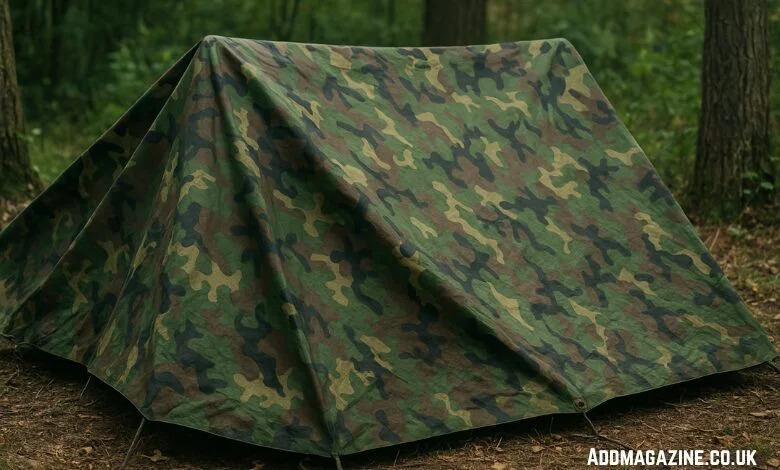
When people hear the word “Tarnp,” they may not know what it means. The word comes from German, where "Tarn" means "cover" and "Planen" means "tarp" or "sheet." Putting the words together, tarnplanen means "Camouflage tarp.” However, as per the definition, it is not just a simple cover; it is a tool that has been trusted by soldiers, campers, hunters, and survivalists for many years for their ultimate protection and safety.
Historical Background
During the Second World War, the need for tarnplanen quickly started to rise. The army had to find better ways to hide from the enemy. Upon need, they came up with special tarps that could hide troops, weapons, and vehicles. These sheets were smarter and stronger than other equipment.
Over time, the Germans created famous patterns on them, such as:
- Splittertarn (splinter pattern)
- Strichtarn (rain pattern)
- Flecktarn (spot pattern)
Each was made for a different type of scenery, like a forest, a field, or even a snowy area. Also interestingly, the military could use a single piece or button to join many pieces to make bigger shelters.
Because of its success, other armies also began to design their own versions. NATO and allied forces also later adopted camouflage tarps inspired by this tool. This history made tarnplanen more than just a cover. It successfully became part of military strategy.
Military and Tactical Applications
Even today, armies still use tarnplanen in different forms. The purpose is simple: stay hidden and safe from the enemy. Soldiers can use it to cover a camp, hide equipment, or even make a small shelter. The tarp helps them seamlessly blend into the environment so that drones, planes, or enemies cannot see them easily.
Moreover, this tool can serve more than one role. It can be worn like a poncho in the rain. Also, it can be laid flat on the ground to keep weapons or supplies dry. A group of soldiers can join their tarps together to make a tent. This flexibility makes it very useful in almost every field.
Additionally, because of its tremendous strength, it is also part of training and exercises in many NATO countries. Especially for collectors, original World War II pieces are highly valued. They are not just gear; they are history to be preserved for years to come.
Outdoor and Survival Uses
While the first tarnplanen users were soldiers, today many outdoor enthusiasts also trust it in many ways. For example:
- Campers and hikers use it to make quick shelters. A simple lean-to can be built with ropes, poles, and a tarp. It gives shade from the sun and protection from the rain to them.
- Survivalists pack these tarps in their bug-out bags. It is light to carry but strong enough to handle rough weather.
- Hunters use tarnplanen to hide while waiting for game.
- Wildlife photographers set it up to stay unseen while taking pictures of animals.
Besides all, the tool is also very helpful in emergencies. It can collect rainwater, cover supplies, and provide high protection during storms. Unlike normal plastic tarps, it does not tear easily and blends naturally into forests or fields. That is why it is also sometimes referred to as a “Survival Essential,” popularly.
Key Features and Materials
What makes tarnplanen so strong? The answer is its composition materials.
In the past, tarnplanens were made of heavy cotton cloth or even fabric that was rubberized. These days, they are made of strong cotton mixes, PVC-coated polyester, or ripstop nylon.
Ripstop fabric is made in a way that keeps small cuts from getting bigger. On the other hand, a PVC layer keeps it waterproof and makes cleaning simple. If you take good care of them, these canvas versions feel natural and last intact for many years.
Some important Tarnplanen features include:
- It has waterproof layers to keep out snow and rain
- Provides ultimate protection from UV rays to stay safe in the sun.
- Has reinforced edges so it does not rip in the wind.
- Metal grommets or button loops for tying and joining.
Compared to a normal tarp, tarnplanen is heavier, stronger, and made for concealment. That is the difference that makes it special and stands out from all its competitor tools.
Buying Guide: Choosing the Right Tarnplanen
If you want to buy a tarnplanen, you must first know what to look for. Somehow, authentic military surplus is often the best choice. These are original items made for armies, so they are very durable.
However, when buying for personal use, we suggest you check these points beforehand:
- Material: Canvas or PVC-coated polyester is the strongest.
- Pattern: Pick one that fits the area you're in, like Flecktarn for woods or Strichtarn for open fields.
- The GSM thickness: A higher GSM means the cloth is thicker and lasts longer.
- Eyelet spacing: Grommets that are close together make it easy to tie down securely.
Good sources are military surplus stores, outdoor gear shops, or trusted online sellers. You should be aware of and know about fakes that cost less. They may look real, but they often tear easily. Remember, spending a little more on quality gives long-term value.
Maintenance and Care
To make your tarnplanen last for many years to come, you need to take good care of it. For the tool’s exclusive maintenance and increased life, follow the below given care tips and tricks:
- Cleaning is simple. Wash it with mild soap and cold water. Avoid bleach because it can damage it and make the camouflage design fade.
- After you clean it, always let it dry completely before folding. If stored wet, mold and smells can appear. Keep it dry and out of the sun to prevent fading.
- Fix small holes with tape or a repair kit, regardless of how often you use it outside.
Conclusion
From battlefields to backyards, a tarnplanen has always proven its worth. In the past, it was only utilized by soldiers for their safety and protection from enemies. Now, it keeps campers, hunters, and survivalists safe from bad weather and unexpected circumstances. Although it comes from the past, but still works well today. Currently, it is much more than just a tarp.
Due to its strong fabric and robust camouflage designs, anyone can use it to build a quick camp, cover a gear, or even keep it as a piece of military history. No doubt, this survival tarp proves a reliable partner in every case.
In short, a tarnplanen is a simple sheet or wordy meaning a “Camouflage tarp,” that serves for safety, prevention, practicality, and history all at once. Expectedly, as the world keeps changing, people will continue to rely on it as one of the most trusted tools of the highest level of protection and security.